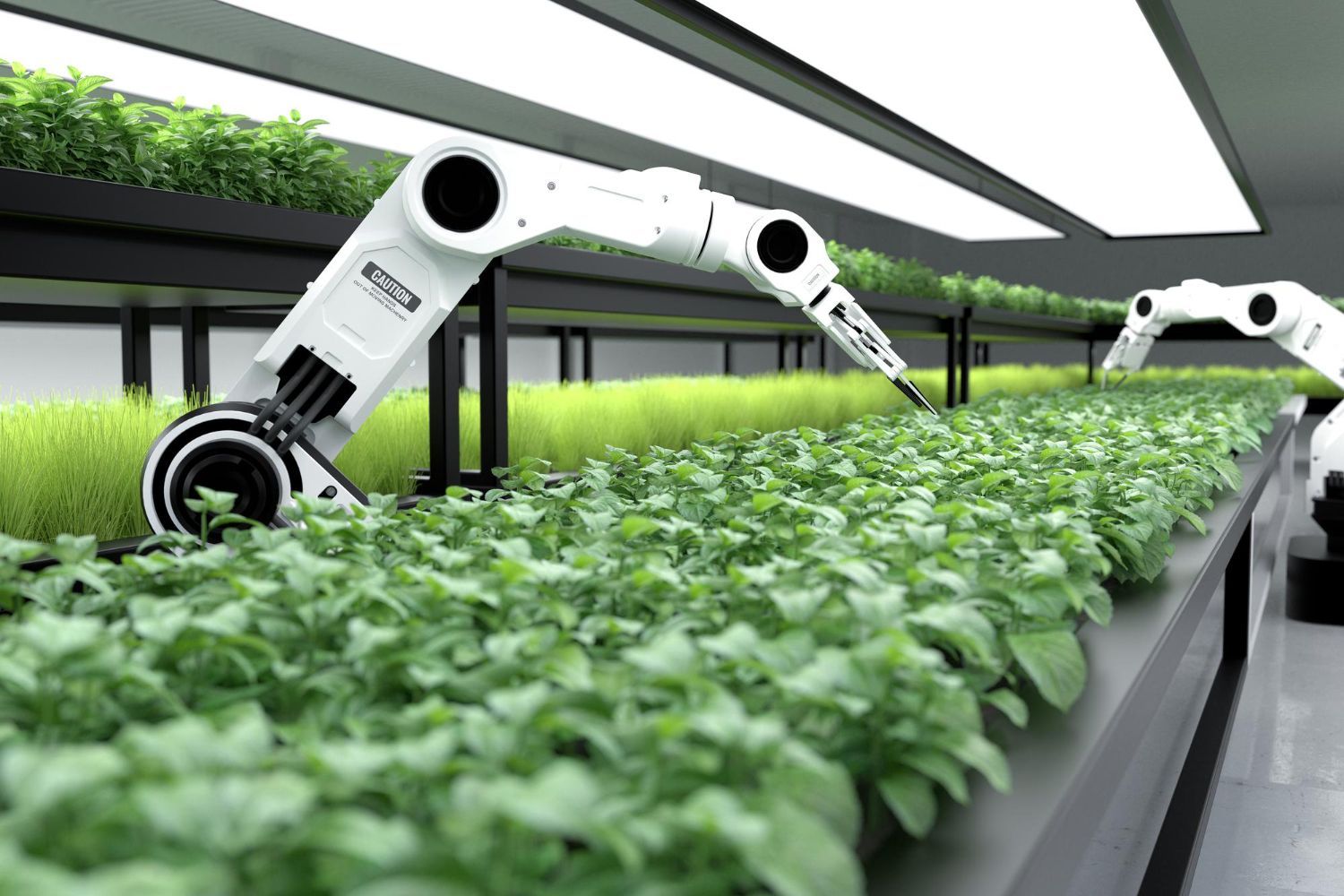

Agritech R&D Tax Credit Ohio for Ag Technology Firms


Agritech and precision agriculture companies often perform technical work that may support an R&D Tax Credit review. The agritech R&D tax credit Ohio opportunity may apply when a company develops or improves sensors, automation systems, irrigation technology, agricultural equipment, crop-monitoring tools, field-testing methods, or software through documented experimentation.

Quick answer: Agritech companies may qualify when they evaluate technical alternatives related to accuracy, performance, reliability, automation, data processing, equipment design, or field conditions. Eligibility depends on project-specific facts, qualified expenses, and documentation. Routine farming operations, standard equipment use, market research, and ordinary maintenance generally need to be separated.

Since 2004, RCG has completed more than 25,000 R&D tax credit studies and identified over $750 million in tax savings. RCG’s team includes CPAs, tax specialists, engineers, technical writers, and architects who support federal and state R&D Tax Credit studies with audit-ready documentation.

RCG provides R&D Tax Credit support for agritech, agricultural equipment, software, automation, and precision farming companies across Ohio, including businesses in Columbus, Wooster, Findlay, Lima, Dayton, Springfield, and surrounding agricultural and technology communities.

Cost Segregation may apply to many property types, including warehouses, manufacturing facilities, medical offices, dental offices, office buildings, industrial properties, retail spaces, and mixed-use commercial properties.

What Agritech Activities May Qualify?

Agricultural technology development often involves uncertainty about whether a product or process will perform under changing field, soil, weather, equipment, or crop conditions. Companies may test multiple designs, components, settings, algorithms, or control methods before reaching a workable solution.

Agritech activity Why it may need R&D review
Sensor development May involve testing accuracy, durability, calibration, range, or environmental performance.
Farm automation May involve evaluating controls, movement, equipment integration, or reliability.
Irrigation technology May involve testing flow, pressure, automation, efficiency, or field performance.
Crop-monitoring systems May involve evaluating imaging, data collection, detection, or analytical methods.
Agricultural software May involve improving algorithms, data processing, mapping, automation, or system integration.

These activities do not automatically qualify. Each project should be reviewed based on the technical objective, uncertainty encountered, alternatives evaluated, testing performed, and related expenses.

Precision Agriculture R&D Credit Considerations

A precision agriculture R&D credit review may involve technology used to measure, monitor, or manage crop and field conditions. Projects may include soil sensors, GPS-enabled equipment, variable-rate systems, imaging tools, data platforms, or automated controls.

The analysis should focus on the technical development work. Purchasing and using commercially available technology does not automatically create qualified research. However, developing, modifying, integrating, or testing technical systems to resolve uncertainty may need review.

Farm Automation and Equipment Development

A farm automation R&D credit review may include robotic systems, automated feeding or handling equipment, machine controls, autonomous functions, equipment attachments, or sensor-based operations.

Potentially relevant work may involve testing mechanical designs, control logic, equipment movement, durability, safety, field reliability, or integration with existing machinery. Routine installation, maintenance, repair, and standard equipment configuration generally need to be separated from technical experimentation.

Agricultural Software Tax Credit Considerations

Agricultural software may support field mapping, crop monitoring, equipment control, yield analysis, irrigation management, inventory, or data integration.

An agricultural software tax credit review may be appropriate when developers test alternatives involving architecture, data processing, system performance, algorithms, automation, integrations, or reliability. Routine coding, cosmetic interface updates, maintenance, and standard configuration may not receive the same treatment.

Field Testing and Technical Experimentation

Field testing may be relevant when it helps resolve technical uncertainty under real operating conditions. Agritech teams may test sensors across different environments, compare equipment configurations, evaluate irrigation performance, or refine software using field data.

Routine demonstrations, customer training, standard inspections, and testing performed only after technical uncertainty has been resolved generally need to be separated. The purpose of the test and how the results influenced development are important.

Documentation for Agritech R&D Claims

Useful documentation may include:

  • Engineering notes and design revisions
  • Sensor calibration and test records
  • Field trial reports
  • Equipment prototype records
  • Software development notes
  • Data analysis and performance results
  • Project timelines
  • Employee time and material records

Documentation should explain what uncertainty existed, which alternatives were evaluated, who performed the work, and how testing affected the next technical decision.

FAQs About Agritech R&D Tax Credits

  • Can Ohio agritech companies claim the R&D Tax Credit?

    Agritech companies may qualify when they perform documented technical research involving uncertainty and experimentation. Eligibility depends on the project, business component, expenses, and supporting records.

  • Does precision agriculture technology qualify?

    Precision agriculture technology may qualify when teams develop or improve sensors, controls, data systems, equipment, or software through technical experimentation.

  • Can farm automation qualify?

    Farm automation may need review when a company tests mechanical designs, controls, sensors, equipment integration, or system performance to resolve technical uncertainty.

  • Does field testing qualify?

    Field testing may qualify when it evaluates technical alternatives or helps resolve uncertainty during development. Routine demonstrations or standard operating tests generally need to be separated.

  • What records support an agritech R&D claim?

    Helpful records include field trial reports, engineering notes, sensor test data, prototype records, software development notes, performance results, project timelines, and employee time support.

Review Your Ohio Agritech R&D Activity

The agritech R&D tax credit Ohio opportunity may apply to companies performing documented sensor development, field testing, farm automation, irrigation technology, equipment design, or agricultural software development. Eligibility requires project-specific analysis and supportable documentation.

RCG Tax Partners provides technical analysis and audit-ready support for federal and state R&D Tax Credit studies.

RECENT BLOGS

By RCG Tax Partners • September 11, 2026
Learn how 100% bonus depreciation and cost segregation may affect Ohio commercial property owners in 2026. See what property may qualify.

By RCG Tax Partners • September 8, 2026
Learn how cost segregation may apply after buying an existing commercial property in Ohio, including basis allocation and depreciation review.
By RCG Tax Partners • September 4, 2026
Learn which Ohio building projects may still qualify for Section 179D after June 30, 2026 and what construction-start timing means.

By RCG Tax Partners • September 2, 2026
Learn what Form 6765 Section G requires in 2026 for Ohio R&D credit claimants, including business-component reporting and key exceptions.
By RCG Tax Partners • September 1, 2026
Learn when look-back cost segregation in Ohio may use Form 3115 and a Section 481(a) adjustment to address missed depreciation.

By RCG Tax Partners • August 21, 2026
Medical device companies often perform technical work that may support an R&D Tax Credit review. The medical device R&D tax credit Ohio opportunity may apply when a company develops or improves devices, components, firmware, materials, manufacturing processes, or testing methods through documented technical experimentation. Quick answer: Medical device companies may qualify when teams evaluate technical alternatives related to device function, performance, reliability, quality, manufacturability, materials, software, or production methods. Eligibility depends on project-specific facts, qualified expenses, and documentation. Routine quality control, regulatory administration, and testing performed after technical uncertainty has been resolved generally need to be separated. Since 2004, RCG has completed more than 25,000 R&D tax credit studies and identified over $750 million in tax savings. RCG’s team includes CPAs, tax specialists, engineers, technical writers, and architects who support federal and state R&D Tax Credit studies with audit-ready documentation. RCG provides R&D Tax Credit support for medical device and medtech companies across Ohio, including businesses in Cleveland, Beachwood, Columbus, Dublin, Cincinnati, Blue Ash, Dayton, and surrounding healthcare technology and manufacturing communities.

SHARE THIS