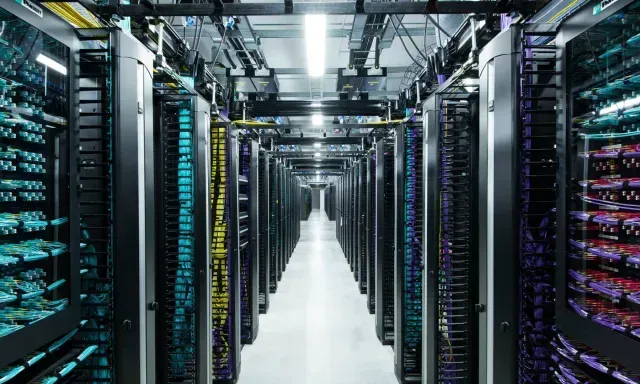

Data Center Cost Segregation in Columbus, Ohio


A data center cost segregation Columbus Ohio study evaluates whether specific components within a data center property may qualify for shorter depreciation recovery periods. Because these facilities contain complex electrical, cooling, backup power, security, cabling-support, and site systems, accurate classification requires detailed engineering analysis.

Quick answer: Data center owners and developers may consider Cost Segregation after acquiring, constructing, expanding, or renovating a facility in Columbus or Central Ohio. Certain property components may qualify for 5-, 7-, or 15-year recovery periods instead of standard 39-year treatment. Eligibility depends on each asset’s function, construction, documentation, placed-in-service date, and relationship to the building or operating equipment.

Since 2004, RCG has completed more than 25,000 R&D tax credit studies and identified over $750 million in tax savings. RCG applies the same documentation-focused and compliance-driven methodology to Cost Segregation engagements throughout Ohio. Its multidisciplinary team includes CPAs, tax specialists, engineers, technical writers, and architects. 

RCG performs Cost Segregation analyses in Columbus and nearby Central Ohio markets, including Dublin, Westerville, Delaware, and Newark.

How Does Data Center Cost Segregation Work?

A Cost Segregation study separates a property’s construction or acquisition costs into classifications based on the purpose and function of individual components.

RCG’s methodology generally includes:

  • Reviewing contractor payment applications, invoices, change orders, depreciation schedules, and project cost records 
  • Inspecting the facility to understand building systems and operational use 
  • Photographing relevant construction components 
  • Reviewing blueprints when available 
  • Performing engineering quantity takeoffs and cost estimates 
  • Reconciling classified costs to the total property basis 
  • Preparing detailed supporting documentation 

RCG’s process is designed around engineering analysis, cost reconciliation, and documentation aligned with IRS Cost Segregation review standards.

Cost Segregation may apply to many property types, including warehouses, manufacturing facilities, medical offices, dental offices, office buildings, industrial properties, retail spaces, and mixed-use commercial properties.

What Data Center Components May Require Review?

Data centers contain interconnected systems that may serve the building, technology equipment, or both. Their tax treatment should not be determined solely by a broad label such as “electrical” or “mechanical.”

Data center component Why engineering review matters
Electrical distribution Systems serving computing equipment may require different analysis from general building electrical service.
Cooling infrastructure Cooling dedicated to technology loads may differ from HVAC serving offices and occupied spaces.
Backup power systems Generators, batteries, transfer equipment, and related infrastructure require functional review.
Raised-floor systems Classification may depend on design, permanence, and use within the facility.
Cabling-support infrastructure Racks, pathways, supports, and connections may require separate evaluation.
Security and access systems Surveillance, monitoring, and controlled-entry components may warrant individual classification.
Exterior improvements Roads, paving, fencing, drainage, and exterior lighting may require land-improvement analysis.

Not every specialized data center feature automatically qualifies for a shorter recovery period. Each component must be evaluated according to its specific function and supporting documentation.

Power and Backup Infrastructure

Data centers frequently require substantial electrical capacity, redundant feeds, uninterrupted power systems, generators, transformers, switchgear, and power-distribution equipment.


The analysis should distinguish systems that support the overall building from components installed primarily to serve technology equipment or operational processes. Shared systems may require cost allocation rather than a single classification.


Documentation such as electrical one-line diagrams, equipment schedules, construction drawings, and contractor invoices can help establish how each system functions.

Cooling and Environmental Controls

Cooling systems can be among the most complex parts of a data center. A technology infrastructure cost segregation review may examine computer-room cooling, liquid-cooling systems, dedicated air distribution, monitoring controls, pumps, piping, and related equipment.

General comfort cooling for offices or occupied areas may receive different treatment from systems designed specifically to manage technology-generated heat. Engineering review is necessary when mechanical systems serve multiple areas or purposes

Cost Segregation After a Data Center Expansion

Data center expansions may involve new server halls, electrical capacity, backup systems, cooling equipment, security improvements, or exterior infrastructure.

A study should distinguish new project costs from the original facility basis and identify the placed-in-service dates of completed improvements. Broad fixed-asset categories such as “building expansion” or “electrical upgrade” may not provide enough detail for accurate classification.

Projects placed in service during prior years may also warrant review, depending on available records, depreciation history, and filing circumstances.

Documentation for a Data Center Study

Useful records may include:

  • Construction drawings and engineering plans 
  • Electrical one-line diagrams 
  • Mechanical and cooling-system schedules 
  • Contractor invoices and payment applications 
  • Change orders and final project cost summaries 
  • Fixed-asset and depreciation schedules 
  • Equipment and infrastructure layouts 
  • Site plans and property photographs 


The strongest studies connect classified costs to actual records and explain the operational function of the reviewed components.

Ohio Depreciation Considerations

Cost Segregation changes the timing of depreciation deductions rather than creating additional property costs. Certain assets may qualify for shorter recovery periods, which may increase earlier deductions and reduce depreciation available in later years.

Ohio income tax calculations may also require modifications to certain federal depreciation deductions. Data center owners should coordinate implementation with their CPA or tax adviser based on current federal and Ohio requirements. 

FAQs About Data Center Cost Segregation

  • Can a Columbus data center qualify for Cost Segregation?

    A data center may qualify for review when it contains property components that require separate classification based on their function, design, construction, and use.

  • Can cooling systems receive shorter recovery periods?

    Some cooling components may require separate analysis when they primarily serve technology equipment rather than general building comfort. Classification is not automatic.

  • Are generators and backup power systems reviewed?

    Yes. Generators, battery systems, transfer equipment, and related electrical infrastructure may be evaluated according to their purpose and connection to facility operations.

  • Does Cost Segregation apply to an existing data center?

    It may. Previously placed-in-service facilities can sometimes be reviewed depending on depreciation history, available documentation, and applicable filing requirements.

  • What records are needed for a data center study?

    Helpful records include construction drawings, electrical diagrams, mechanical schedules, invoices, change orders, fixed-asset records, site plans, and equipment layouts.

Review Your Central Ohio Data Center Property

A data center cost segregation Columbus Ohio study may help owners and developers identify supportable classifications for power, cooling, backup, security, cabling-support, and exterior infrastructure.


RCG Tax Partners provides engineering-based, documentation-focused Cost Segregation studies for data center acquisitions, new developments, expansions, and renovations throughout Columbus and Central Ohio.

RECENT BLOGS

By RCG Tax Partners • September 11, 2026
Learn how 100% bonus depreciation and cost segregation may affect Ohio commercial property owners in 2026. See what property may qualify.

By RCG Tax Partners • September 8, 2026
Learn how cost segregation may apply after buying an existing commercial property in Ohio, including basis allocation and depreciation review.
By RCG Tax Partners • September 4, 2026
Learn which Ohio building projects may still qualify for Section 179D after June 30, 2026 and what construction-start timing means.

By RCG Tax Partners • September 2, 2026
Learn what Form 6765 Section G requires in 2026 for Ohio R&D credit claimants, including business-component reporting and key exceptions.
By RCG Tax Partners • September 1, 2026
Learn when look-back cost segregation in Ohio may use Form 3115 and a Section 481(a) adjustment to address missed depreciation.

By RCG Tax Partners • August 21, 2026
Medical device companies often perform technical work that may support an R&D Tax Credit review. The medical device R&D tax credit Ohio opportunity may apply when a company develops or improves devices, components, firmware, materials, manufacturing processes, or testing methods through documented technical experimentation. Quick answer: Medical device companies may qualify when teams evaluate technical alternatives related to device function, performance, reliability, quality, manufacturability, materials, software, or production methods. Eligibility depends on project-specific facts, qualified expenses, and documentation. Routine quality control, regulatory administration, and testing performed after technical uncertainty has been resolved generally need to be separated. Since 2004, RCG has completed more than 25,000 R&D tax credit studies and identified over $750 million in tax savings. RCG’s team includes CPAs, tax specialists, engineers, technical writers, and architects who support federal and state R&D Tax Credit studies with audit-ready documentation. RCG provides R&D Tax Credit support for medical device and medtech companies across Ohio, including businesses in Cleveland, Beachwood, Columbus, Dublin, Cincinnati, Blue Ash, Dayton, and surrounding healthcare technology and manufacturing communities.

SHARE THIS