Food Manufacturing R&D Tax Credit Guide
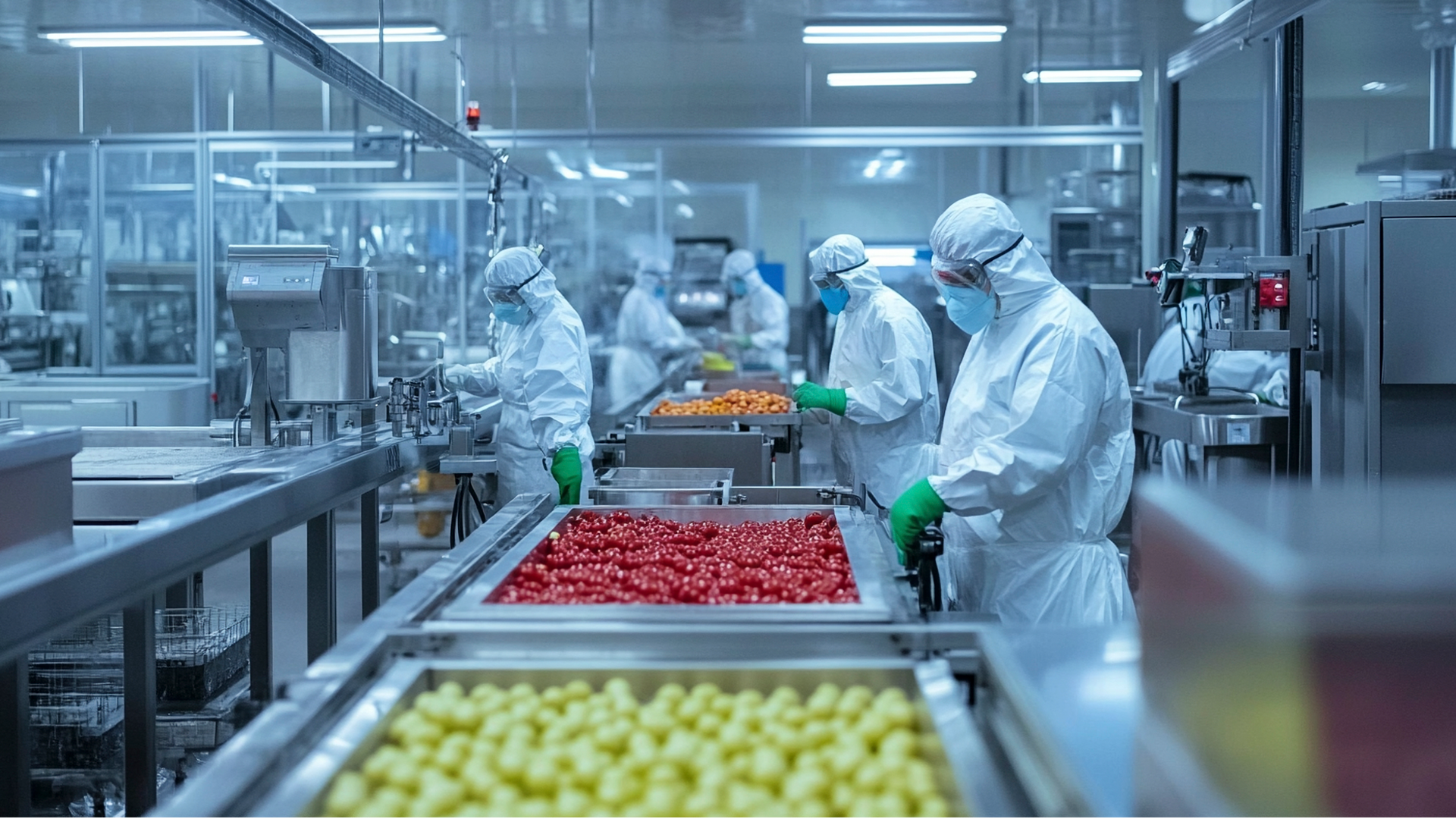
Food processors and beverage manufacturers often perform technical work that may support an R&D tax credit review. The food manufacturing R&D tax credit opportunity depends on whether the company is developing or improving a product, process, formula, technique, or software through documented technical experimentation.
Since 2004, RCG has completed more than 25,000 R&D tax credit studies and identified over $750 million in tax savings. RCG’s team includes CPAs, tax specialists, engineers, technical writers, and architects who support federal and state R&D Tax Credit studies with audit-ready documentation.
RCG provides R&D Tax Credit support for food and beverage manufacturers across Ohio, including companies in Cleveland, Cincinnati, Columbus, Toledo, Akron, Canton, Dayton, Wooster, Sandusky, and surrounding processing and manufacturing communities.
When Food Manufacturing Activities May Support an R&D Credit Review
Food and beverage production often involves formulation work, shelf-life testing, ingredient substitution, equipment trials, packaging evaluation, and process improvement. These activities may need review when they involve technical uncertainty and a documented process of experimentation.
A food processor may test alternative ingredients to improve texture, stability, flavor profile, cost efficiency, allergen profile, or production consistency. A beverage manufacturer may evaluate carbonation levels, preservation methods, filling processes, packaging materials, or batch repeatability. Eligibility depends on the facts and documentation, not simply the presence of a new recipe or product.
| Food or Beverage Activity | Why It May Need R&D Review |
|---|---|
| Formula or recipe development | May involve testing ingredient ratios, stability, texture, flavor, or performance. |
| Shelf-life testing | May evaluate spoilage, preservation, packaging, or product stability. |
| Process improvement | May involve resolving uncertainty around yield, consistency, safety, or throughput. |
| Packaging development | May involve testing durability, freshness, sealing, storage, or shipping performance. |
| Equipment or line trials | May evaluate repeatability, scaling, fill rates, waste reduction, or quality control. |
Recipe Development Tax Credit Considerations
A recipe development tax credit review should focus on technical development, not routine culinary preference. Creating a flavor variation or changing an ingredient for marketing reasons may not be enough. However, formulation work may need review when the company is trying to solve technical challenges related to shelf stability, allergen replacement, moisture control, texture, viscosity, nutrition goals, production scalability, or ingredient interaction.
For example, a company may test multiple ingredient combinations to maintain product quality after removing an allergen, reducing sugar, changing preservatives, or scaling a recipe from test batches to commercial production. These projects may involve technical uncertainty, especially when results affect consistency, shelf life, processing behavior, or packaging performance.
The strongest analysis connects the formulation work to documented testing, technical decision-making, and qualified research expenses.
Beverage Company Tax Credits and Process Improvements
Beverage manufacturers may have R&D credit opportunities when they develop new or improved products, test processing methods, improve filling or packaging systems, or solve technical issues tied to consistency and shelf stability.
Activities may involve carbonation control, flavor stability, pasteurization or preservation testing, packaging compatibility, batch consistency, or equipment adjustments. Beverage company tax credits should be reviewed carefully because qualified and nonqualified work may occur within the same project.
Routine production, taste preference testing, market research, label changes, and standard quality checks generally need to be separated from technical development activity. A careful review helps determine whether the work involved experimentation tied to performance, reliability, process capability, or product quality.
Documentation Needed for Food and Beverage R&D Claims
Documentation is critical because food and beverage R&D activity often appears in production, quality, lab, purchasing, and operations records. Companies should preserve records that explain the technical objective, uncertainty, testing process, results, and next steps.
Helpful records may include formulation logs, batch records, lab reports, shelf-life studies, test kitchen notes, packaging trials, production line trial reports, ingredient specifications, quality records, project timelines, employee time records, and technical meeting notes.
Documentation should show how the company evaluated alternatives and why the work was necessary to develop or improve the product or process. The review should also connect qualified activities to specific business components and related expenses.
Common Mistakes Food Manufacturers Should Avoid
One common mistake is assuming food and beverage work is too routine to qualify. Some projects are routine, but technical formulation, testing, and process improvement work may need R&D credit review.
Another mistake is treating all recipe development as qualified research. The analysis must separate technical experimentation from customer preference, marketing, sales, and routine production work.
Companies should also avoid waiting until records are difficult to reconstruct. Food manufacturing projects often involve several departments, including R&D, quality, production, purchasing, engineering, and finance. Coordinated documentation improves the strength of the review.
FAQs About Food Manufacturing R&D Tax Credits
Can food manufacturers claim the R&D tax credit?
Food manufacturers may qualify when they perform documented technical work to develop or improve products, formulas, processes, packaging, or production methods. Eligibility depends on technical uncertainty, experimentation, qualified expenses, and supporting records.
Does recipe development qualify for the R&D tax credit?
Recipe development may need review when it involves technical formulation challenges, ingredient interaction, shelf stability, texture, nutrition goals, allergen replacement, or production scaling. Routine flavor changes or customer preference testing generally need to be separated.
Can beverage companies claim R&D tax credits?
Beverage companies may qualify when they perform documented product development, process improvement, packaging testing, preservation testing, carbonation evaluation, or batch consistency work. Eligibility depends on the project facts and documentation.
What food manufacturing records support an R&D credit claim?
Helpful records may include formulation logs, batch records, shelf-life studies, lab reports, ingredient specifications, packaging trials, production trial reports, quality records, project timelines, and employee time records.
Do process improvements qualify for food manufacturing R&D credits?
Process improvements may need review when they involve technical uncertainty and experimentation related to yield, consistency, throughput, quality, waste reduction, safety, or scalability. Routine production changes generally need to be separated.
Can Ohio food processors claim R&D credits?
Ohio food processors may need to review R&D credit eligibility when projects involve formulation, ingredient testing, packaging development, shelf-life testing, equipment trials, or process improvements supported by documentation.
RCG Tax Partners Supports Food and Beverage R&D Credit Reviews
The food manufacturing R&D tax credit opportunity can be relevant for food processors and beverage manufacturers performing documented formulation, product testing, packaging development, process improvement, or engineering-based problem-solving. Eligibility is not automatic, and supportable documentation is essential.
RCG Tax Partners works with companies on R&D Tax Credits, Building Cost Segregation Studies, Section 179D Energy Tax Deductions, and Cost Segregation services. For food and beverage manufacturers across Ohio, RCG provides technical analysis, documentation support, and federal and state R&D Tax Credit guidance.
Ready to review whether your food or beverage manufacturing activity may qualify? Contact RCG Tax Partners to discuss your documentation, technical work, and next steps.
RECENT BLOGS






SHARE THIS