Metal Fabrication R&D Tax Credit Guide
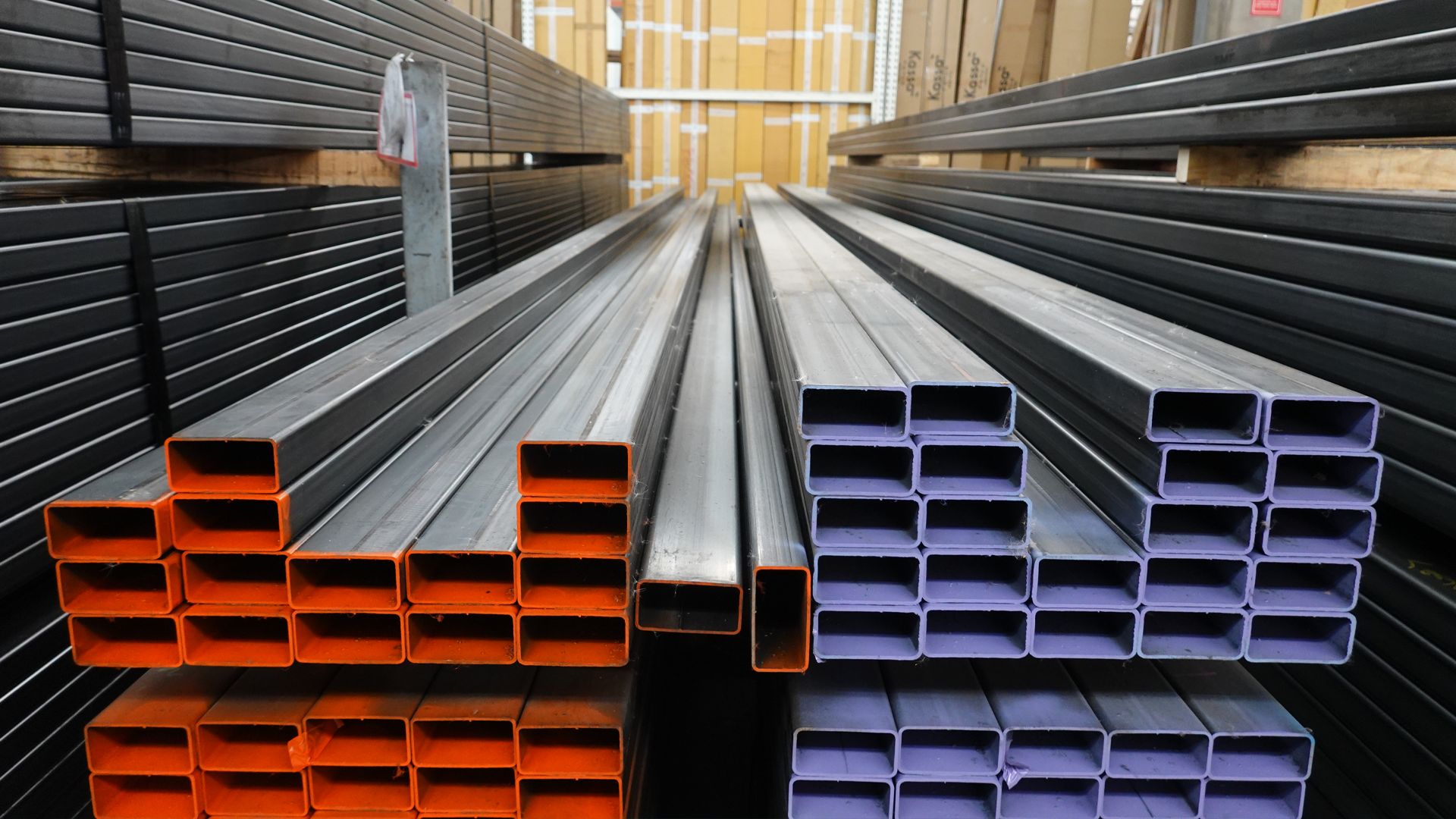
Metal fabrication companies and industrial manufacturers often perform technical work that may support an R&D tax credit review. The metal fabrication R&D tax credit opportunity depends on whether the company is developing or improving a product, process, technique, formula, invention, or software through documented technical experimentation.
Since 2004, RCG has completed more than 25,000 R&D tax credit studies and identified over $750 million in tax savings. RCG’s team includes CPAs, tax specialists, engineers, technical writers, and architects who support federal and state R&D Tax Credit studies with audit-ready documentation.
RCG provides R&D Tax Credit support for metal fabrication and industrial manufacturing companies across Ohio, including fabricators in Cleveland, Lorain, Elyria, Akron, Canton, Youngstown, Warren, Toledo, and surrounding industrial communities.
When Metal Fabrication May Support an R&D Credit Review
Metal fabrication work may involve custom engineering, welding trials, tooling changes, fixture development, material testing, forming improvements, production line adjustments, and process refinement. These activities may need review when they involve technical uncertainty and a documented process of experimentation.
A fabrication process incentives review may involve testing different welding methods, evaluating material behavior, improving part tolerances, reducing distortion, developing fixtures, or refining production steps for repeatability. Eligibility depends on the project facts, documentation, and whether the company evaluated alternatives to solve technical problems.
| Fabrication Activity | Why It May Need R&D Review |
|---|---|
| Welding process development | May involve testing weld methods, heat input, distortion control, or strength. |
| Fixture or jig development | May support alignment, repeatability, tolerance control, or production consistency. |
| Material testing | May involve evaluating formability, durability, strength, finish, or compatibility. |
| Custom fabrication design | May involve resolving uncertainty around fit, function, assembly, or manufacturability. |
| Production process refinement | May involve testing layout, cycle time, quality, throughput, or defect reduction. |
Welding Innovation Tax Credits and Documentation
Welding innovation tax credits should be reviewed based on technical facts, not general project labels. A project is not automatically eligible because it involves custom welding or fabrication. The company should be able to show what uncertainty existed, what alternatives were tested, what technical decisions were made, and how the results affected the final product or process.
Useful documentation may include engineering notes, weld procedure records, test results, fixture drawings, CAD revisions, dimensional inspection data, production trial records, material specifications, quality reports, project timelines, employee time records, and technical meeting notes.
Documentation is especially important because qualified and nonqualified activities may occur within the same job. Technical development, testing, and process refinement may need review, while routine production, standard repairs, repeat fabrication, or work after uncertainty is resolved generally needs to be separated.
Common Fabrication Projects That May Need Review
Fabricators may need R&D credit review when projects involve new assemblies, custom components, weld process changes, prototype builds, tolerance improvement, production scaling, material substitution, or quality improvement.
A company may test different weld sequences to reduce distortion, adjust fixturing to improve repeatability, refine cutting or forming methods, or evaluate materials to meet strength or durability requirements. Industrial manufacturers may also develop improved fabrication methods to increase consistency, reduce defects, or meet new performance requirements.
These activities may support a review when they involve technical uncertainty and documented testing. Eligibility is not based on whether the project is custom or difficult. The analysis should focus on the technical problem, alternatives evaluated, and records available.
What Usually Needs to Be Separated
Some fabrication activity may be routine and should be separated from potentially qualified research. This may include repeat production, standard welding, routine repairs, cosmetic finishing, ordinary quality checks, equipment maintenance, and work performed after the technical uncertainty has been resolved.
For example, producing a known part from established drawings may not support the same analysis as developing a new fixture, testing weld methods, or modifying a process to solve distortion, strength, fit, or repeatability issues. A careful review should identify where technical development began and when uncertainty was resolved.
FAQs About Metal Fabrication R&D Tax Credits
Can metal fabricators claim the R&D tax credit?
Metal fabricators may qualify when they perform documented technical work to develop or improve products, processes, welding methods, fixtures, tooling, or manufacturing techniques. Eligibility depends on technical uncertainty, experimentation, qualified expenses, and supporting records.
Do welding improvements qualify for the R&D tax credit?
Welding improvements may need review when the company tests weld methods, sequences, materials, heat input, distortion control, strength, or repeatability to resolve technical uncertainty. Routine welding using known methods generally needs to be separated.
What fabrication activities may qualify?
Potential activities may include custom engineering, prototype builds, fixture development, tolerance improvement, material testing, welding process development, forming trials, production scaling, and defect reduction. Eligibility depends on project facts and documentation.
Do failed fabrication projects qualify for the R&D tax credit?
Failed fabrication projects may still need review if the company tested alternatives, evaluated technical issues, or used results to guide further design, welding, fixture, material, or process changes. A failed result does not automatically prevent eligibility.
What records support a metal fabrication R&D credit claim?
Helpful records may include engineering notes, weld procedure records, CAD revisions, fixture drawings, test results, dimensional inspection data, production trial records, material specifications, quality reports, project timelines, and employee time records.
Can Ohio fabricators claim R&D credits?
Ohio fabricators may need to review R&D credit eligibility when projects involve custom engineering, welding improvements, fixture development, prototype work, process testing, material evaluation, or technical problem-solving supported by documentation.
RCG Tax Partners Supports Metal Fabrication R&D Credit Reviews
The metal fabrication R&D tax credit opportunity can be relevant for companies performing documented welding development, custom engineering, fixture design, material testing, process improvement, or production problem-solving. Eligibility is not automatic, and supportable documentation is essential.
RCG Tax Partners works with companies on R&D Tax Credits, Building Cost Segregation Studies, Section 179D Energy Tax Deductions, and Cost Segregation services. For metal fabrication companies across Ohio, RCG provides technical analysis, documentation support, and federal and state R&D Tax Credit guidance.
Ready to review whether your metal fabrication activity may qualify? Contact RCG Tax Partners to discuss your documentation, technical work, and next steps.
RECENT BLOGS






SHARE THIS