Process Improvement R&D Tax Credit Guide


Manufacturers and operations teams often focus on improving how products are made, tested, assembled, packaged, or delivered. Some of that work may support a process improvement R&D tax credit review when it involves technical uncertainty, experimentation, and documentation.


Since 2004, RCG has completed more than 25,000 R&D tax credit studies and identified over $750 million in tax savings. RCG’s team includes CPAs, tax specialists, engineers, technical writers, and architects who support federal and state R&D Tax Credit studies with audit-ready documentation.


RCG provides R&D Tax Credit support for manufacturers and operations-driven businesses across Ohio, including companies in Akron, Canton, Youngstown, Cleveland, Lima, Findlay, Toledo, Dayton, and surrounding industrial communities.

When Process Improvements May Support an R&D Credit Review

A process improvement may need review when a company is trying to improve efficiency, quality, throughput, consistency, yield, reliability, safety, or manufacturability through technical testing. Eligibility depends on whether the company faced uncertainty about how to achieve the improvement and whether it evaluated alternatives through a documented process.


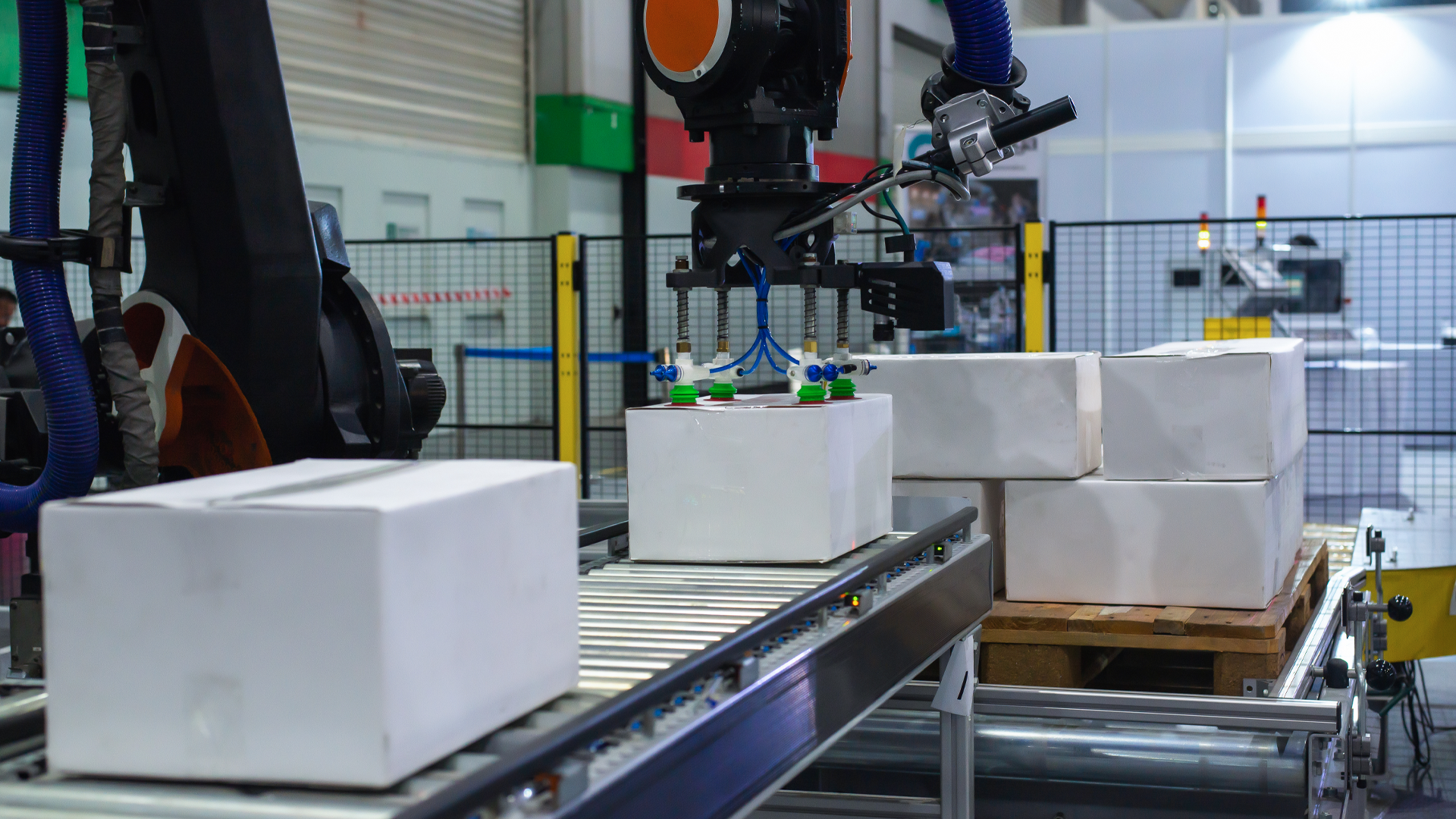
A manufacturing process tax credit review may involve production line changes, tooling adjustments, equipment configuration, automation improvements, material handling changes, inspection methods, or quality improvements. The credit is not limited to new product development. Process work can be relevant when the company is developing or improving a method, technique, or production system.

Process Improvement Activity Why It May Need R&D Review
Production line changes May involve testing layout, cycle time, throughput, or bottleneck solutions.
Tooling or fixture changes May support repeatability, tolerance control, consistency, or defect reduction.
Automation improvements May involve testing controls, sensors, equipment integration, or process flow.
Material handling changes May evaluate movement, damage reduction, safety, or production efficiency.
Quality process improvements May involve resolving uncertainty around defects, inspection, or reliability.

What Does Not Automatically Qualify?

Not every operational improvement incentive or process change qualifies for the R&D tax credit. Routine maintenance, standard equipment replacement, employee training, general cost-cutting, administrative changes, and ordinary quality control generally need to be separated from technical experimentation.


For example, buying a faster machine does not automatically create qualified research activity. However, engineering work to configure, test, modify, or integrate equipment to solve a technical production problem may need review. The difference is whether technical uncertainty existed and whether the company tested alternatives to resolve it.

Documentation Needed for Process Improvement Claims

Documentation is essential because process improvements often happen on the shop floor, inside production systems, or across several departments. Companies should preserve records showing the technical issue, alternatives evaluated, testing performed, results reviewed, and expenses connected to the work.


Helpful records may include engineering notes, production trial reports, equipment testing records, quality data, scrap or defect analysis, process maps, tooling revisions, project timelines, employee time records, technical meeting notes, and test results.


Operations managers, plant leaders, engineers, quality teams, and finance staff should work together during the review. This helps connect technical activity to business components and qualified research expenses.

Common Process Improvement Projects That May Need Review

Many manufacturers improve existing processes without calling the work “R&D.” Projects may involve reducing defects, improving line speed, increasing yield, changing materials, improving repeatability, automating manual steps, or adapting production methods for a new requirement.


Operational improvement incentives should be reviewed based on facts rather than labels. A project may appear routine after completion, but the development process may have involved meaningful technical uncertainty and multiple testing cycles.


The strongest reviews identify what the company did differently, why the outcome was uncertain, which alternatives were tested, and how the results affected the final process.

FAQs About Process Improvement R&D Tax Credits

  • Do process improvements qualify for the R&D tax credit?

    Process improvements may qualify when they involve technical uncertainty, experimentation, and documentation. The work must be tied to developing or improving a process, technique, product, formula, invention, or software.

  • Is the R&D tax credit only for new products?

    No. The R&D tax credit is not limited to new product development. Process improvements may need review when they involve technical problem-solving, testing, engineering changes, or production method improvements.

  • What manufacturing process improvements may qualify?

    Potential activities may include tooling changes, automation improvements, production line testing, quality improvements, defect reduction, material handling changes, equipment integration, and process scaling. Eligibility depends on project facts and documentation.

  • Does buying new equipment qualify for the R&D tax credit?

    Buying new equipment alone generally does not qualify. However, technical work to configure, modify, integrate, or test equipment to resolve production uncertainty may need review as part of an R&D credit study.

  • What records support a process improvement R&D credit claim?

    Helpful records may include production trial reports, engineering notes, quality data, test results, process maps, tooling revisions, equipment testing records, employee time records, and project documentation.

  • Can Ohio manufacturers claim R&D credits for process improvements?

    Ohio manufacturers may need to review process improvements when projects involve technical uncertainty, testing, engineering work, production changes, quality improvements, automation, or manufacturing problem-solving supported by documentation.

RCG Tax Partners Supports Process Improvement R&D Reviews

The process improvement R&D tax credit opportunity can be relevant for manufacturers that perform documented production testing, quality improvement, automation integration, tooling changes, or engineering-based problem-solving. Eligibility is not automatic, and supportable documentation is essential.


RCG Tax Partners works with companies on R&D Tax Credits, Building Cost Segregation Studies, Section 179D Energy Tax Deductions, and Cost Segregation services. For process improvement projects across Ohio, RCG provides technical analysis, documentation support, and federal and state R&D Tax Credit guidance.


Ready to review whether your process improvement activity may qualify? Contact RCG Tax Partners to discuss your documentation, technical work, and next steps.

RECENT BLOGS

Robotics R&D Tax Credit for Automation Companies | RCG
By RCG Tax Partners May 27, 2026
Learn how robotics R&D tax credit eligibility may apply to automation design, testing, and engineering work. Contact RCG today.
Tool and Die R&D Tax Credit Guide for Manufacturers | RCG
By RCG Tax Partners May 25, 2026
Learn how tool and die R&D tax credit eligibility may apply to tooling, machining, and precision manufacturing work. Contact RCG today.
 Aerospace R&D Tax Credit Ohio for Manufacturers | RCG
By RCG Tax Partners May 21, 2026
Learn how aerospace R&D tax credit Ohio eligibility may apply to prototyping, testing, and process improvement. Contact RCG today.
Food Manufacturing R&D Tax Credit Guide | RCG
By RCG Tax Partners May 20, 2026
Learn how food manufacturing R&D tax credit eligibility may apply to formulation, testing, and process improvements. Contact RCG today.
Failed Project R&D Tax Credit: What Businesses Should Know
By RCG Tax Partners May 18, 2026
Learn how a failed project R&D tax credit claim may apply when research is documented. Contact RCG to review your activity.
Prototype Development Tax Credit Eligibility Guide | RCG
By RCG Tax Partners May 17, 2026
Learn how prototype development tax credit eligibility may apply to product testing and engineering work. Contact RCG today.

SHARE THIS